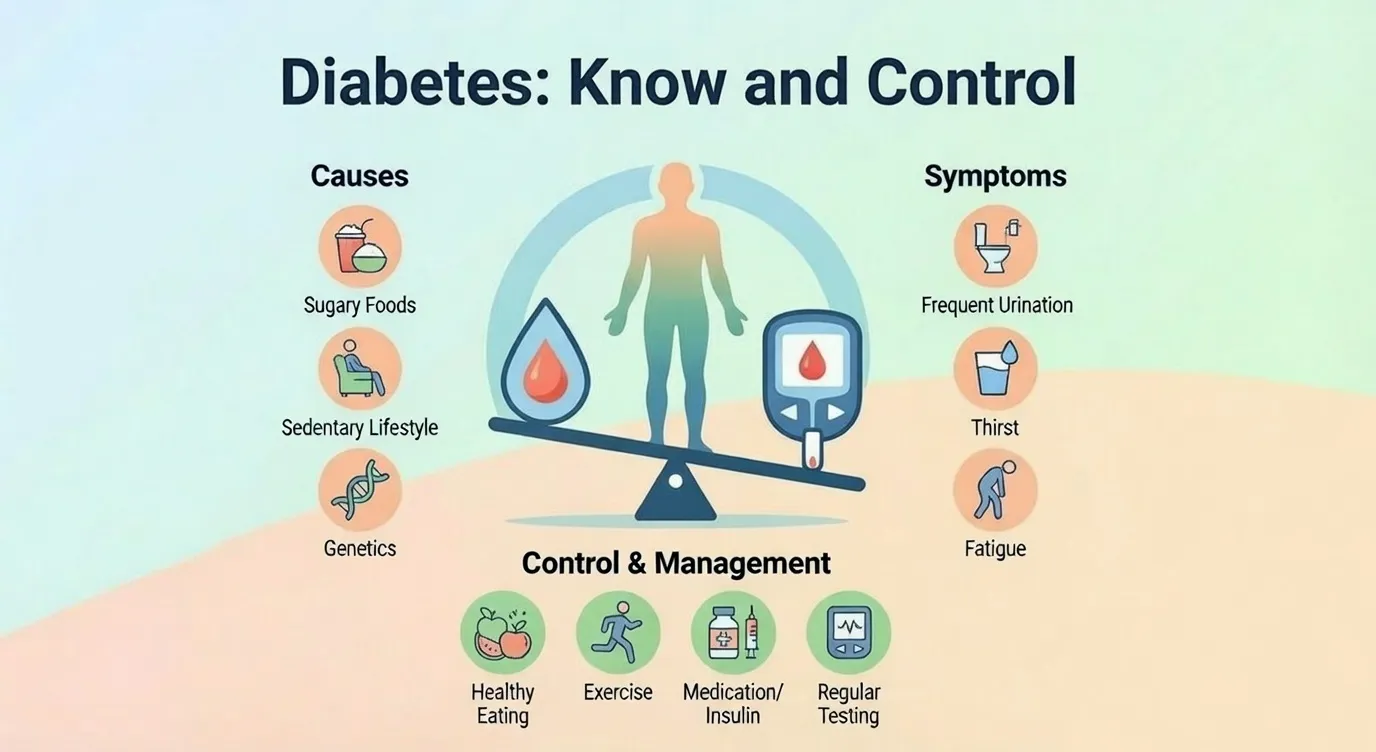
Diabetes mellitus is a chronic metabolic disorder characterized by high blood glucose levels. It occurs when the pancreas produces insufficient insulin or the body cannot effectively use the insulin it generates. If left unmanaged, it can lead to serious complications affecting the heart, kidneys, eyes, and nerves.
Types of Diabetes mellitus
Diabetes mellitus primarily manifests in two main forms, each affecting how the body regulates blood sugar:
-
Type 1 Diabetes: An autoimmune condition where the immune system attacks insulin-producing cells in the pancreas. It usually develops in children or young adults, requiring lifelong insulin therapy.
-
Type 2 Diabetes: The most common type, where the body becomes resistant to insulin or fails to produce enough. It is often linked to genetics, weight, and inactivity, typically appearing in adults.
Common Diabetes Symptoms
Early detection of diabetes symptoms is crucial for effective management. Common warning signs include:
-
-
Excessive Thirst and Hunger: Feeling dehydrated or hungry even after consuming meals.
-
Frequent Urination: Especially during the night (polyuria).
-
Unexplained Weight Loss: Rapidly losing weight without changes in diet or exercise.
-
Fatigue and Weakness: Persistent tiredness due to low cellular energy.
-
Blurred Vision: High blood sugar levels affecting eye fluid balance.
-
Slow-Healing Sores: Cuts or bruises that take longer than usual to heal.
-
Normal Range of Diabetes mellitus
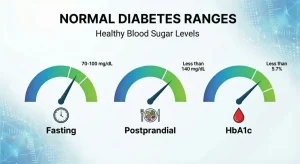
Monitoring your blood glucose levels is the most effective way to determine if your body is processing sugar correctly. Health professionals use specific benchmarks, often referred to as the diabetes normal range, to diagnose and manage the condition. These levels are typically measured in milligrams per deciliter (mg/dL) or as a percentage (A1C). The following table outlines the standard ranges for fasting and post-meal glucose tests:
Standard Diabetes Normal Range Chart
| Test Type | Normal | Prediabetes | Diabetes |
| Fasting Blood Sugar | 70–99 mg/dL | 100–125 mg/dL | 126 mg/dL or higher |
| A1C (3-month average) | Below 5.7% | 5.7% to 6.4% | 6.5% or higher |
| Post-Meal (2 hours) | Less than 140 mg/dL | 140–199 mg/dL | 200 mg/dL or higher |
Common Causes and Risk Factors of Type 2 Diabetes
Understanding the Common Causes and Risk Factors of Type 2 Diabetes is essential for prevention. While genetics play a role, lifestyle choices are significant contributors:
-
Excess Weight: Being overweight or obese is a primary trigger, as extra fat causes cells to become resistant to insulin.
-
Physical Inactivity: A sedentary lifestyle reduces the body’s ability to use glucose for energy efficiently.
-
Family History: Your risk increases significantly if a parent or sibling has the condition.
-
Age: Risk levels typically rise after age 45, though it is increasingly diagnosed in younger populations.
-
Ethnicity: Certain ethnic groups are at a statistically higher risk.
Management of Diabetes mellitus
Effective Management of Diabetes Mellitus requires a combination of lifestyle changes and medical oversight to maintain blood sugar within a healthy range. Key strategies include:
-
Healthy Eating: Prioritize a diet rich in fiber, whole grains, lean proteins, and vegetables while limiting processed sugars and refined carbohydrates.
-
Regular Exercise: Aim for at least 150 minutes of moderate aerobic activity weekly to improve insulin sensitivity and glucose uptake.
-
Weight Control: Achieving and maintaining a healthy weight helps the body use insulin more efficiently.
-
Routine Monitoring: Frequent blood sugar checks help track how diet, stress, and activity affect your levels.
-
Medication Adherence: Consistently taking prescribed oral medications or insulin therapy as directed by a healthcare professional.