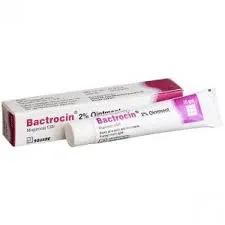
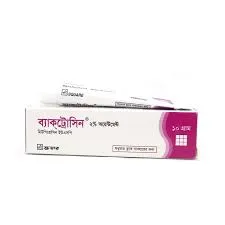
Bactrocin (often referred to as Bactocin) is a potent topical antibiotic containing Mupirocin USP 2%. It is primarily used for the treatment of various bacterial skin infections. Produced by Square Pharmaceuticals PLC, it works by inhibiting bacterial protein synthesis, effectively stopping the growth of infection-causing bacteria like Staphylococcus aureus (including MRSA) and Streptococcus pyogenes.
What is Bactrocin Used For?
Bactrocin 2% is a topical antibiotic prescribed mainly for:
-
Impetigo: A highly contagious skin infection that causes red sores on the face.
-
Folliculitis: Infection and inflammation of the hair follicles.
-
Furunculosis: Treatment of boils (deep hair follicle infections).
-
Secondary Infections: Prevention and treatment of infections in minor traumatic skin lesions, such as small lacerations or sutured wounds.
Key Reminder: Bactrocin is an antibacterial agent and will not work for viral infections (like cold sores) or fungal infections (like athlete’s foot). For a technical breakdown of its unique mode of action, you can review the pharmacology of Mupirocin on DrugBank.
Dosage
For adults and children (aged 2 months and older), the standard application instructions are:
-
Application: Apply a small amount of the ointment to the affected area.
-
Frequency: Usually applied three times daily for up to 10 days.
-
Coverage: The treated area may be covered with a sterile gauze dressing if needed.
-
Re-evaluation: If no clinical response is seen within 3 to 5 days, the infection should be re-evaluated by a physician.
Common Side Effects
Bactrocin is generally well-tolerated when used on the skin. However, some users may experience localized reactions at the application site:
-
Burning or stinging sensation
-
Itching (pruritus)
-
Redness (erythema)
-
Dryness or skin tenderness
Important 2026 Safety Update: While systemic side effects are rare, prolonged use of topical antibiotics can lead to the overgrowth of non-susceptible organisms, including fungi. If you experience severe skin irritation, swelling, or a spreading rash, discontinue use and consult your doctor. For comprehensive safety data, see the Mayo Clinic guide on topical Mupirocin.
Important Warnings & Precautions
-
External Use Only: Do not use in the eyes, nose (unless using a specific nasal formulation), or mouth.
-
Kidney Health: Use with caution on large areas of open wounds or damaged skin, as the base of the ointment (polyethylene glycol) can be absorbed and potentially impact patients with renal impairment.
-
Pregnancy/Breastfeeding: Generally considered safe (Pregnancy Category B), but use only if clearly needed. If treating cracked nipples, wash the area thoroughly before breastfeeding. Technical safety profiles are available via NCBI StatPearls.
-
Sensitization: If a sensitization reaction or severe local irritation occurs, treatment should be stopped immediately.
Bactrocin vs. Neobacin: Key Differences and Usage
While both are topical antibiotics used in Bangladesh, they contain different active ingredients and are chosen based on the type of skin infection.
| Feature | Bactrocin (Mupirocin) | Neobacin (Neomycin + Bacitracin) |
| Drug Class | Specialized Topical Antibiotic | Combination Antibiotic |
| Primary Use | Impetigo, MRSA, Boils | Minor cuts, scrapes, & burns |
| Action Mechanism | Inhibits tRNA synthetase | Disrupts cell walls/protein synthesis |
| Availability | Prescription only (recommended) | Often available over-the-counter |
| Unit Price (10g) | ৳150.00 | ৳18.00 – ৳25.00 |
Bactrocin Price (February 2026 Update)
The following table provides the updated pricing for Bactrocin manufactured by Square Pharmaceuticals PLC.
| Product Name | Strength | Unit Price (BDT) | Tube Size |
| Bactrocin | 2% w/w | ৳150.00 | 10 gm Tube |
Bactrocin Alternative Brands & Prices
If Bactrocin is unavailable, several high-quality Mupirocin alternatives are produced by other leading pharmaceutical companies in Bangladesh as of early 2026.
| Brand Name | Company Name | Price per Unit (BDT) |
| Mupitop | Renata PLC | ৳140.00 |
| Trego | Incepta Pharmaceuticals | ৳145.00 |
| Mupiderm | Healthcare Pharmaceuticals | ৳140.00 |
| Bactrobex | Beximco Pharmaceuticals | ৳140.42 |
| Bactropen | NIPRO JMI Pharma | ৳140.00 |
| Dermocin | Aristopharma Ltd. | ৳130.00 |
| Mupiron | Eskayef (SK+F) | ৳140.00 |
| Dermoban | Opsonin Pharma | ৳130.88 |
| Dermupin | ACME Laboratories | ৳180.00 (15g) |
| Systop | ACI Limited | ৳150.00 |
Frequently Asked Questions (FAQ) About Bactrocin
Q: What is the Bactrocin price in Bangladesh?
As of February 2026, the retail price for a 10g tube of Bactrocin is ৳150.00. Prices may vary slightly depending on the pharmacy and location.
Q: What are the Bactrocin side effects?
Common side effects include a mild burning, stinging, or itching sensation at the application site. Less common reactions include skin redness, dryness, or a rash.
Q: What is Bactrocin used for?
It is used to treat bacterial skin infections such as impetigo, folliculitis (hair follicle infection), and boils. It is also effective against MRSA (methicillin-resistant staph).
Q: What is the recommended Bactrocin dose?
Apply a thin layer to the affected area three times a day for 5 to 10 days. Always clean and dry the area before application.
Q: Is Bactrocin good for a cough?
No, Bactrocin is a topical antibiotic for skin use and has no effect on internal respiratory conditions like a cough.
Q: What does Bactrocin do?
It kills bacteria by stopping them from creating essential proteins needed for their survival and growth, thereby clearing the infection.
Q: Does Bactrocin make you sleepy?
No, as a topical medication, it does not enter the bloodstream in significant amounts and does not cause drowsiness or sleepiness.
Q: Is Mupirocin (Bactrocin) high risk?
It is generally very safe. The main risk is antibiotic resistance if used for longer than prescribed or for non-bacterial infections. It should not be used in the eyes or nose.
Q: Is Bactrocin safe during pregnancy?
It is usually considered safe (Category B) but should be used under medical supervision. If you are breastfeeding, avoid applying it to the breast area where a baby might ingest it.
Disclaimer: This is educational information only (updated February 2026). Not a substitute for professional medical advice. Always consult a qualified physician before starting/stopping any medication.