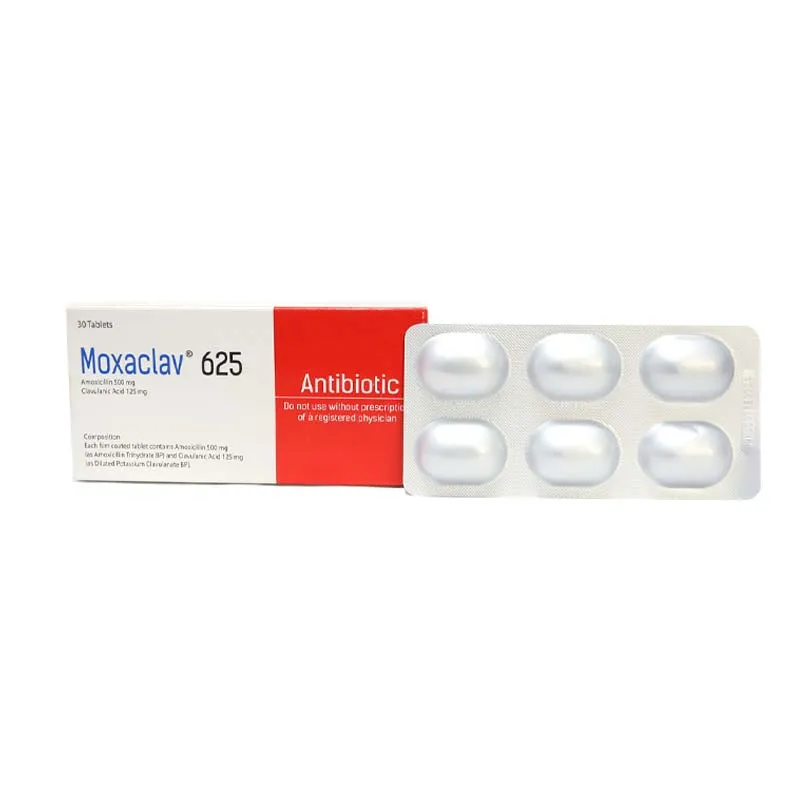
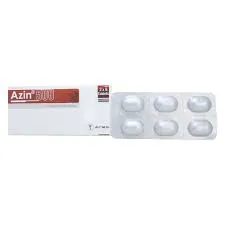
Azin 500 is a prescription antibiotic containing Azithromycin Dihydrate. It is primarily used to treat infections caused by susceptible bacteria in the respiratory tract, skin, and certain sexually transmitted diseases. Produced by The ACME Laboratories Ltd., Azin 500 is known for its long half-life, allowing for shorter treatment courses compared to many other antibiotics.
What is Azin 500 Used For?
Azin 500 mg is formulated for adults and children (with weight-based adjustments) to eliminate bacterial pathogens. Its primary applications include:
-
Respiratory Infections: Treatment of pneumonia, bronchitis, sinusitis, tonsillitis, and pharyngitis.
-
Typhoid Fever: An effective option for treating enteric fever caused by Salmonella typhi.
-
Skin Infections: Management of uncomplicated skin and soft tissue infections.
-
STIs: Specifically indicated for non-gonococcal urethritis and cervicitis due to Chlamydia trachomatis.
-
Ear Infections: Treatment of acute otitis media in pediatric and adult patients.
Clinical Insight: Azithromycin works by binding to the 50S ribosomal subunit of the bacteria, preventing protein synthesis and stopping bacterial growth. For a technical deep dive, visit the National Library of Medicine (NIH) – Azithromycin Profile.
Dosage
For most respiratory and skin infections in adults, the standard dosage is 500 mg once daily for 3 days. An alternative regimen is 500 mg on day 1, followed by 250 mg once daily for the next 4 days.
For sexually transmitted diseases (Chlamydia), a single 1 g dose (two 500 mg tablets) is often prescribed. It is recommended to take Azin 500 at least 1 hour before or 2 hours after a meal, as food can significantly decrease its absorption. Always complete the full course even if symptoms improve early.
Common Side Effects
While Azin 500 is generally well-tolerated, its most frequent side effects are gastrointestinal in nature:
-
Diarrhea or loose stools
-
Nausea and vomiting
-
Abdominal pain or cramping
-
Headache or dizziness
Important Warnings & Precautions
-
Antacid Interaction: Do not take aluminum or magnesium-containing antacids at the same time as Azin; they can reduce the drug’s effectiveness.
-
Hypersensitivity: Avoid use if you are allergic to Azithromycin, Erythromycin, or any other macrolide antibiotics.
-
Superinfection: Prolonged use may result in an overgrowth of non-susceptible organisms, such as fungi (thrush) or C. diff associated diarrhea.
-
Liver Disease: Use with extreme caution in patients with significant hepatic impairment.
Azin 500 vs. Zimax 500: Key Differences and Usage
Patients often compare different brands of Azithromycin available in Bangladesh. While the active ingredient is the same, pricing and manufacturer reputation vary.
| Feature | Azin 500 (ACME) | Zimax 500 (Square) |
| Active Ingredient | Azithromycin 500 mg | Azithromycin 500 mg |
| Drug Class | Macrolide Antibiotic | Macrolide Antibiotic |
| Common Use | Typhoid, Bronchitis, STIs | Respiratory & Skin Infections |
| Absorption | Better on empty stomach | Better on empty stomach |
| Unit Price | ৳55.00 | ৳35.00 – ৳40.00 |
Azin 500 Price (January 2026 Update)
Pricing for Azithromycin has stabilized in 2026, though ACME’s Azin remains a premium-tier brand compared to some local alternatives.
| Product Name | Strength | Unit Price (BDT) | Strip Price (6 Tablets) |
| Azin 500 | 500 mg | ৳55.00 | ৳330.00 |
| Azin 250 | 250 mg | ৳25.00 | ৳150.00 |
| Azin Susp. | 200mg/5ml | ৳200.00 | 50 ml Bottle |
Azin 500 Alternative Brands & Prices
If Azin 500 is unavailable, several high-quality alternatives from top Bangladeshi pharmaceutical companies are available.
| Brand Name | Company Name | Price per Unit (BDT) |
| Zimax 500 | Square Pharmaceuticals | ৳40.00 |
| Azithrocin 500 | Beximco Pharmaceuticals | ৳35.00 |
| Tridosil 500 | Incepta Pharmaceuticals | ৳35.00 |
| Zithrin 500 | Renata Limited | ৳40.00 |
| Rozith 500 | Healthcare Pharma | ৳45.00 |
| Acos 500 | Radiant Pharmaceuticals | ৳55.17 |
| Odazyth 500 | ACI Limited | ৳40.00 |
| Azocin 500 | Aristopharma Ltd. | ৳45.00 |
| Azimex 500 | Drug International | ৳35.15 |
| Zithrox 500 | Eskayef (SK+F) | ৳40.00 |

Frequently Asked Questions (FAQ) About Azin 500
1. What is the Azin 500 mg price in Bangladesh?
As of January 2026, the retail price is ৳55.00 per tablet. A strip containing 6 tablets typically costs ৳330.00.
2. What are the common side effects of Azin 500?
The most common side effects are diarrhea, nausea, and abdominal pain. Some users may also experience mild headaches or dizziness.
3. What is Azin 500 used for?
It is a broad-spectrum antibiotic used to treat respiratory infections (like pneumonia and bronchitis), skin infections, typhoid fever, and sexually transmitted infections.
4. Is Azin 500 safe during pregnancy?
Yes, Azin 500 is generally considered safe during pregnancy (Category B). It is often the preferred antibiotic for treating certain infections in pregnant women. However, it should only be used if clearly needed and prescribed by a physician.
5. Can I take Azin 500 for a common cold or flu?
No. Azin 500 is an antibiotic and only works against bacterial infections. It has no effect on viral infections like the common cold, flu, or COVID-19.
6. Does Azin 500 cause drowsiness?
Drowsiness is rare, but some patients report feeling dizzy. If you feel lightheaded, avoid driving or operating machinery until the symptoms subside.
7. What is the recommended Azin 500 dose?
For most adult infections, the dose is one 500 mg tablet once daily for 3 days. For Chlamydia, it is often a single 1 g (two tablets) dose.
8. Is Azin 500 considered high risk?
It is considered higher risk for patients with known heart rhythm problems (long QT syndrome) or severe liver disease. Always inform your doctor of your heart history.
9. Are there any alternatives to Azin 500 in Bangladesh?
Yes, widely available alternatives include Zimax 500 (Square), Azithrocin 500 (Beximco), and Tridosil 500 (Incepta), with prices ranging from ৳35.00 to ৳55.00.
Disclaimer: This is educational information only (updated January 2026). Not a substitute for professional medical advice. Always consult a qualified physician before starting/stopping any medication.