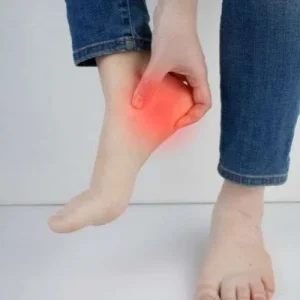
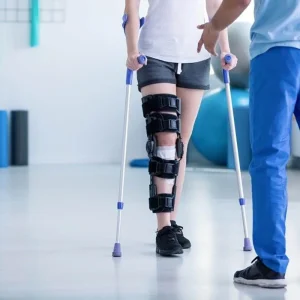
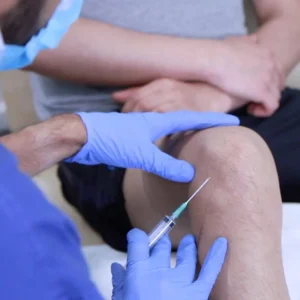
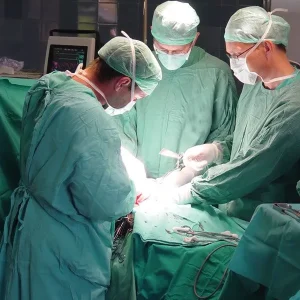
Living in a fast-paced city like Dhaka means being constantly on the move. Whether it’s navigating the busy streets of Dhanmondi or commuting to Uttara, our musculoskeletal system—our bones, joints, ligaments, and tendons—takes a beating. When pain strikes, whether from a sudden sports injury or chronic arthritis, finding the best orthopedic doctor in Dhaka becomes your top priority. Orthopedics is a vast field of medicine, and choosing the right specialist can be the difference between a quick recovery and lifelong mobility issues. In this guide, we break down everything you need to know about orthopedic care in Bangladesh, how to identify the best orthopedic hospital in Dhaka, and what treatments are currently revolutionizing bone health.
200+ Reviews
Enter your number below.
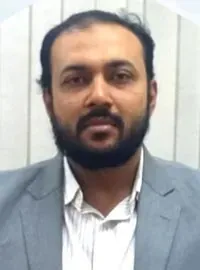
Looking for the best Orthopedic Doctor in Dhaka? Visit Dr. Md. Iftekharul Alam, Consultant at NITOR (Pangu Hospital). Expert in joint replacement, sports injuries, and hand microsurgery. Schedule your visit at Delta Hospital, Mirpur today.
Consultant, Department of Hand & Microsurgery
National Institute of Traumatology & Orthopedic Rehabilitation (NITOR).
Educational Qualifications
Expertise:
Dermatologist, Aestheticologist, Sexual Medicine Specialist, Dermatosurgeon.
These qualifications, combined with hands-on experience and a compassionate approach to patient care, have made him one of the most trusted specialists in skin, sexual health, and hair care in Bangladesh.
Delta Hospital Limited, 26/2, Principal Abul Kashem Road, Mirpur-1, Dhaka – 1216, Bangladesh
Morning: 9:00 AM – 2:00 PM Evening: 7:00 PM – 9:00 PM Closed on Fridays
+8801913-672742
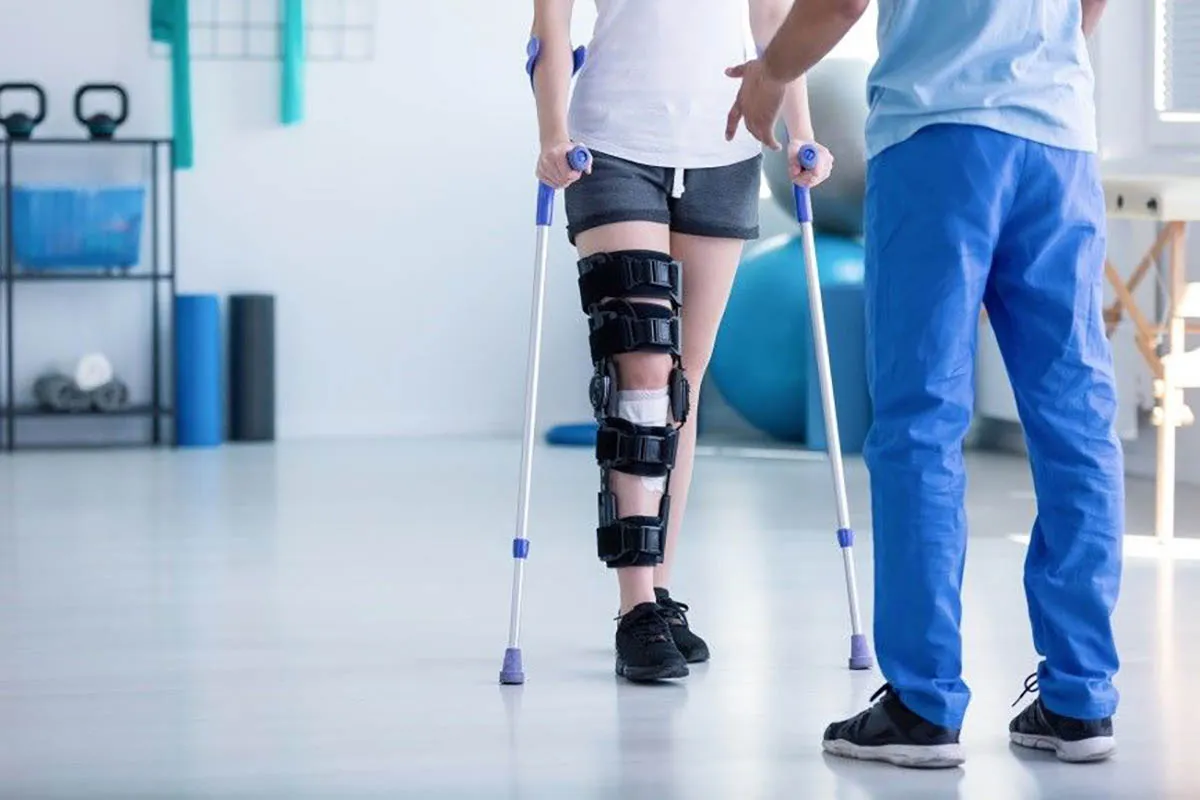
Comprehensive care designed to restore mobility, reduce pain, and get you back to your active lifestyle.
An orthopedic doctor (or orthopedic surgeon) is a medical professional dedicated to the diagnosis, treatment, and rehabilitation of injuries and diseases of the body’s musculoskeletal system.
While many people associate orthopedics only with broken bones, these specialists handle a wide array of conditions, including:
The “best” doctor is the one who specializes in your specific injury. For example, Prof. Dr. M. Amjad Hossain is famous for hip/knee replacements, while others specialize in trauma. Our featured section lists currently verified experts.
NITOR (Pangu Hospital) is the largest government facility, but for private care, hospitals like Evercare, Labaid, or our featured partner offer more personalized, high-tech environments.
If you have joint pain that lasts more than 48 hours, inability to bear weight on a limb, or “locking” of a joint, you should seek a urology doctor or orthopedic specialist immediately.
Yes. With modern implants and sterile OTs, the success rate of knee replacements in Bangladesh is now over 95%, comparable to international standards.
relieve knee pain, try these steps:
RICE Method: Rest, Ice (15–20 mins), Compression (bandage), and Elevation.
Gentle Movement: Low-impact exercises like swimming or cycling.
Support: Wear supportive shoes or a knee brace.
Medication: Over-the-counter anti-inflammatories (NSAIDs).
Consult a Pro: See a doctor if the pain persists.
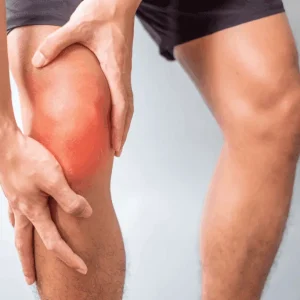
Knee pain can stem from various causes, including:
Injuries: ACL tears, fractures, or meniscus tears.
Overuse: Tendonitis or bursitis from repetitive activity.
Arthritis: Osteoarthritis, rheumatoid arthritis, or gout.
Mechanical issues: A dislocated kneecap or loose cartilage.
Here are several effective home remedies for joint pain:
Hot and Cold Therapy: Use heating pads for stiffness and ice packs for swelling.
Turmeric and Ginger: These have natural anti-inflammatory properties.
Epsom Salt Baths: The magnesium helps relax muscles and joints.
Gentle Movement: Stretching or swimming maintains flexibility.
Treatment for frozen shoulder (adhesive capsulitis) focuses on pain relief and restoring range of motion:
Physical Therapy: Specialized stretching and strengthening exercises.
Pain Management: NSAIDs (ibuprofen) or corticosteroid injections to reduce inflammation.
Joint Distension: Injecting sterile water into the joint capsule to stretch it.
Surgery: Manipulation under anesthesia or arthroscopic release.
De Quervain’s tenosynovitis is typically treated through:
Splinting: Wearing a thumb spica splint to immobilize the joint.
Medication: Using NSAIDs (like ibuprofen) to reduce swelling.
Activity Modification: Avoiding repetitive thumb/wrist movements.
Injections: Corticosteroid shots to decrease tendon inflammation.
Physical Therapy: Exercises to strengthen and stretch muscles.
To treat wrist pain, try these steps:
RICE: Rest, Ice, Compression, and Elevation.
Immobilize: Wear a splint or brace to support the joint.
Medication: Use over-the-counter anti-inflammatories (NSAIDs) for pain.
Stretches: Perform gentle range-of-motion exercises.
Ergonomics: Adjust your workspace to reduce strain.
Consult a doctor if pain persists.
Widespread body pain can stem from various physical and mental conditions, including:
Fibromyalgia: Chronic musculoskeletal pain and fatigue.
Infections: Viral illnesses like the flu or COVID-19.
Autoimmune Diseases: Such as lupus or rheumatoid arthritis.
Vitamin Deficiencies: Particularly Vitamin D or B12.
Stress and Anxiety: Causing persistent muscle tension.
To treat muscle pain, you can follow these steps:
RICE Method: Rest, Ice (for swelling), Compression, and Elevation.
Heat Therapy: Use warm baths or heating pads for stiffness.
Stretching: Gentle movement and massage.
Medication: Over-the-counter pain relievers like ibuprofen or acetaminophen.
Hydration: Drink plenty of water.
To relax your muscles quickly, try these methods:
Deep Breathing: Slow, rhythmic breaths reduce physical tension.
Progressive Muscle Relaxation: Systematically tense and then release each muscle group.
Heat Therapy: Use warm baths or heating pads to soothe soreness.
Gentle Stretching: Light movement improves circulation and flexibility.
Hydration: Drink plenty of water.
Treatment for Prolapsed Lumbar Intervertebral Disc (PLID) focuses on pain relief and recovery:
Conservative Care: Bed rest, physical therapy, and NSAIDs.
Epidural Injections: For severe inflammation.
Surgery: Discectomy or microdiscectomy if neurological deficits or persistent pain occur.
Dhaka’s unique lifestyle factors contribute to specific orthopedic trends. If you are searching for an orthopedic doctor, you likely resonate with one of these common concerns:
Due to sedentary office jobs and sometimes a lack of specialized exercise spaces, knee osteoarthritis is rampant among the aging population in Dhaka. It involves the wearing down of protective cartilage.
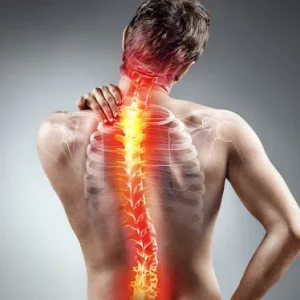
Long hours spent in Dhaka’s infamous traffic jams lead to poor posture and spinal compression. This often results in “Sciatica” or slipped discs, requiring a specialist orthopedic hospital dhaka for advanced imaging and therapy.
From repetitive strain injuries in the RMG sector to construction-related trauma, orthopedic specialists are the backbone of Dhaka’s industrial healthcare.
Before seeking the **best skin doctor in Dhaka**, it’s helpful to understand what you might be dealing with. Our city’s climate plays a massive role in skin health.Acne and Oil Control Due to high humidity, the sebaceous glands in our skin often overproduce oil, leading to clogged pores. This makes “Acne Vulgaris” the most searched condition for a dermatologist near me.
Solution:Specialized chemical peels, comedone extraction, and tailored retinoid therapy.
Hyper-pigmentation and Melasma
The harsh tropical sun in Bangladesh is a leading cause of Melasma. Finding a **skin specialist in Dhaka** who understands laser safety for darker skin tones is essential to avoid post-inflammatory hyperpigmentation (PIH).
Hair Loss and Scalp Health Pollution and hard water in many Dhaka neighborhoods contribute significantly to Telogen Effluvium* (temporary hair shedding) and Androgenetic Alopecia.
The medical landscape in Bangladesh has advanced significantly. You no longer need to travel abroad for high-end surgeries. Local specialists now perform:
Arthroscopic Surgery (Keyhole Surgery)
Using a small camera and tiny instruments, the best orthopedic doctor in Dhaka can repair torn ligaments (like the ACL) with minimal scarring and much faster recovery times.
Robotic-Assisted Joint Replacement
While still emerging, some top-tier orthopedic hospitals in Dhaka are beginning to use robotic guidance to ensure the perfect alignment of artificial joints, increasing their lifespan to 20–25 years.
PRP (Platelet-Rich Plasma) Therapy
For early-stage arthritis or tendonitis, specialists use the patient’s own blood plasma to stimulate natural healing. This “biological” treatment is a favorite among athletes looking for a skin doctor or orthopedic specialist for regenerative medicine.
When searching for an orthopedic doctor, credentials matter. Ensure your consultant holds at least one of these recognized degrees:
Beyond degrees, check for sub-specialization. If you have a spine issue, see a spine specialist. If you have a hand injury, look for a hand surgeon.
The best orthopedic doctor in Dhaka would always tell you that prevention is better than surgery. Here is how to keep your bones strong:
Don’t let bone or joint pain stop you from enjoying life in this vibrant city. Whether you need a simple consultation with an orthopedic doctor or are searching for the best orthopedic hospital in Dhaka for a major surgery, the key is to choose expertise over convenience.
At Medibana, we are dedicated to connecting you with verified medical information and top-tier healthcare providers. Your journey to mobility starts with a single step.
If you are looking for long-term treatment, the facility is just as important as the doctor. The best orthopedic hospital in Dhaka should provide more than just a consultation room. Look for:
Bones require clear imaging. A top-tier orthopedic hospital in Dhaka must have digital X-ray, BMD (Bone Mineral Density) testing, and MRI capabilities.
Orthopedic surgeries, especially joint replacements, require “Laminar Airflow” OTs to maintain zero-infection environments. Infection in bone surgery can be devastating, so never compromise on the quality of the hospital’s OT.
Recovery doesn’t end when you leave the OT. The best orthopedic hospital in Dhaka will have a dedicated physiotherapy department to help you regain mobility